
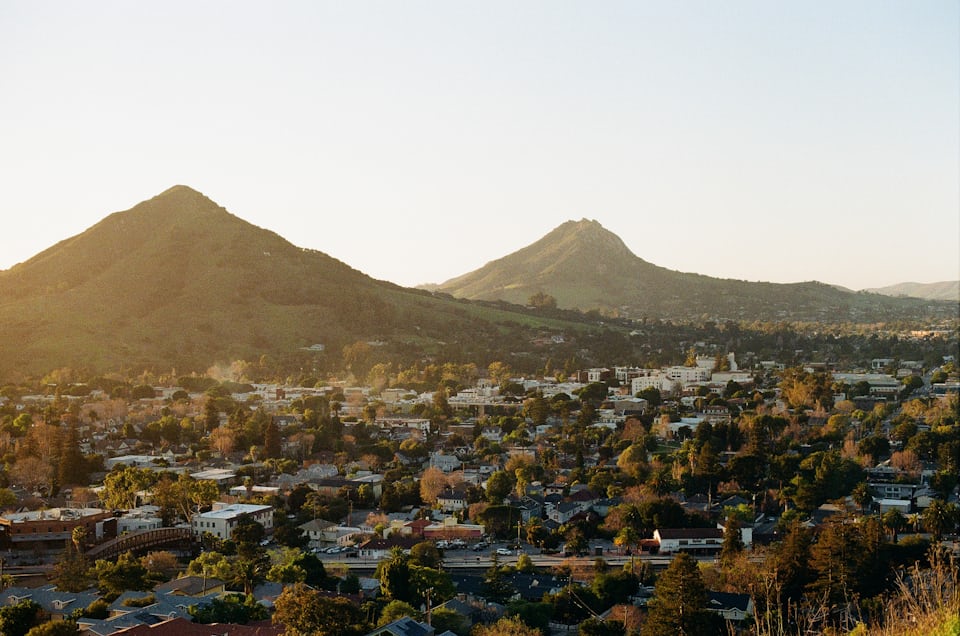
San Bernardino
The Inland Empire gateway — affordable living with mountain access
About San Bernardino
San Bernardino is not a city that makes best-of lists, and it does not sugarcoat its challenges. It filed for bankruptcy in 2012, it has neighborhoods that need investment, and its reputation has taken hits over the years. But here is what the reputation misses: San Bernardino and the broader Inland Empire represent one of the last genuinely affordable entry points into Southern California living. The city sits at the base of the stunning San Bernardino Mountains, within commuting distance of LA and Orange County jobs, and in the middle of one of the fastest-growing economic regions in the state. For people who need to be in Southern California but cannot afford the coast, San Bernardino offers a path that is worth understanding honestly.
The lifestyle in San Bernardino is less polished than coastal communities but has its own appeal. The mountain access is the standout — Big Bear Lake and Lake Arrowhead are 30 to 45 minutes away, offering skiing, snowboarding, fishing, and hiking that coastal residents drive hours to reach. The food scene is authentic and affordable, with outstanding Mexican restaurants throughout the city and a growing diversity of options in neighboring communities like Redlands and Rancho Cucamonga. The National Orange Show fairgrounds host events year-round, and the San Bernardino Mountains provide a dramatic backdrop that reminds you this is not just another flat suburb. Community life here is rooted in neighborhood connections, churches, and local organizations rather than trendy social scenes.
Affordability is the primary reason people move to San Bernardino, and the numbers are compelling. The median home price is roughly $400,000 — less than half of what you would pay in Orange County and a fraction of LA prices. A three-bedroom house with a garage and a yard is achievable for a family earning $80,000 to $100,000. Rent for a one-bedroom apartment runs $1,300 to $1,700. The cost of living index is close to the national average across all categories, which makes San Bernardino feel like a different state compared to the coast. The booming logistics and warehousing industry — driven by Amazon, BNSF Railway, and dozens of distribution centers — has created thousands of jobs that pay $40,000 to $70,000 without requiring a four-year degree. Healthcare and government also provide stable employment.
San Bernardino's weather is a tale of two seasons. Summers are hot — expect highs in the mid-90s to low 100s from June through September, with occasional heat waves pushing past 110. The dry heat is more tolerable than humid heat, but air conditioning is absolutely essential and your summer utility bills will be noticeable. Air quality in the Inland Empire is a documented concern, particularly in summer when smog from the LA basin drifts east and gets trapped against the mountains. Winters, on the other hand, are genuinely pleasant — mild days in the 60s, cool evenings in the 40s, and the occasional rain. Spring is beautiful with wildflowers in the foothills, and fall offers comfortable temperatures and clear mountain views. The proximity to Big Bear means real snow is just a short drive away.
Transportation in San Bernardino is car-dependent, and that is unlikely to change soon. The freeway system — Interstates 10, 15, and 215, plus Highway 210 — connects the Inland Empire to LA and Orange County, but commute times are the major pain point. Driving to downtown LA takes 60 to 90 minutes without traffic and can stretch past two hours during peak times. The Metrolink commuter rail connects San Bernardino to LA Union Station and is a viable option for daily commuters willing to structure their schedule around the train. Within the IE, most errands and commutes run 15 to 30 minutes. The Omnitrans bus system provides basic local coverage but is not sufficient for car-free living. Plan on owning a reliable vehicle.
San Bernardino and the Inland Empire are the right choice for working families who need Southern California access at an affordable price, logistics and warehouse workers, and anyone willing to trade coastal glamour for financial breathing room. Retirees on fixed incomes find their money goes much further here than anywhere on the coast — Loma Linda University Health provides world-class medical care, and the mountain recreation keeps an active retirement interesting. Military families and veterans have a strong community presence. Young professionals in healthcare, education, or government can build careers here while actually affording homeownership. The city works less well for people who need walkable urban neighborhoods, a vibrant cultural scene, or who are sensitive to heat and air quality issues.
Local knowledge that makes a difference: the neighboring communities matter as much as San Bernardino proper. Redlands offers a charming downtown with historic architecture, excellent restaurants, and a university-town feel just 15 minutes east. Rancho Cucamonga to the west has top-rated schools and Victoria Gardens shopping. Highland and Loma Linda offer quiet residential living near the mountains. When house-hunting, pay close attention to specific neighborhoods within San Bernardino — the quality and safety vary significantly within short distances. The Metrolink station downtown makes rail commuting to LA feasible, and a monthly pass is a worthwhile investment if your job supports the schedule.
The bottom line: San Bernardino requires you to look past its reputation and see the opportunity underneath. It is not a destination city — it is a city where regular working people can afford to live in Southern California, build equity in a real home, and access mountains, beaches, and big-city amenities within an hour's drive. The heat, air quality, and long commutes are real trade-offs. But for families who have been priced out of the coast and need an honest, practical solution, the Inland Empire delivers something that the rest of Southern California increasingly cannot: affordability with access. Come with realistic expectations, and San Bernardino can be the launchpad for a solid California life.
Pros and Cons
Pros
- Significantly more affordable than coastal cities
- Mountain recreation within 30 minutes
- Growing logistics and warehouse job market
- Larger homes with real yards and space
- Access to LA/OC jobs via commuter rail
- Rapidly improving infrastructure
Cons
- Hot summers and air quality concerns
- Higher crime rates in some areas
- Long commutes if working in LA/OC
- Less dining and entertainment variety
- Car-dependent with limited transit
- Still recovering from 2012 bankruptcy stigma
Best Neighborhoods
Redlands
Charming historic town adjacent to San Bernardino with a vibrant downtown, University of Redlands, and beautiful architecture.
Median Rent: $1,800/mo
Rancho Cucamonga
Master-planned community in western IE with excellent schools, Victoria Gardens shopping, and mountain views.
Median Rent: $2,200/mo
Highland
Quiet residential community at the base of the mountains with affordable housing and a small-town feel.
Median Rent: $1,400/mo
Cost of Living
How San Bernardino compares to the national average (100 = national average)
Data is approximate and based on publicly available cost of living indices.
Job Market
Top Industries
- Logistics & Warehousing
- Healthcare
- Government
- Education
- Retail
- Construction
Major Employers
- Amazon (fulfillment)
- San Bernardino County
- Loma Linda University Health
- Stater Bros.
- BNSF Railway
Planning to move to San Bernardino?
Our free 40-page relocation guide covers everything you need to know — costs, neighborhoods, job markets, and insider tips.
Get Your Free Guide