
San Francisco
The City by the Bay — innovation capital meets iconic beauty
About San Francisco
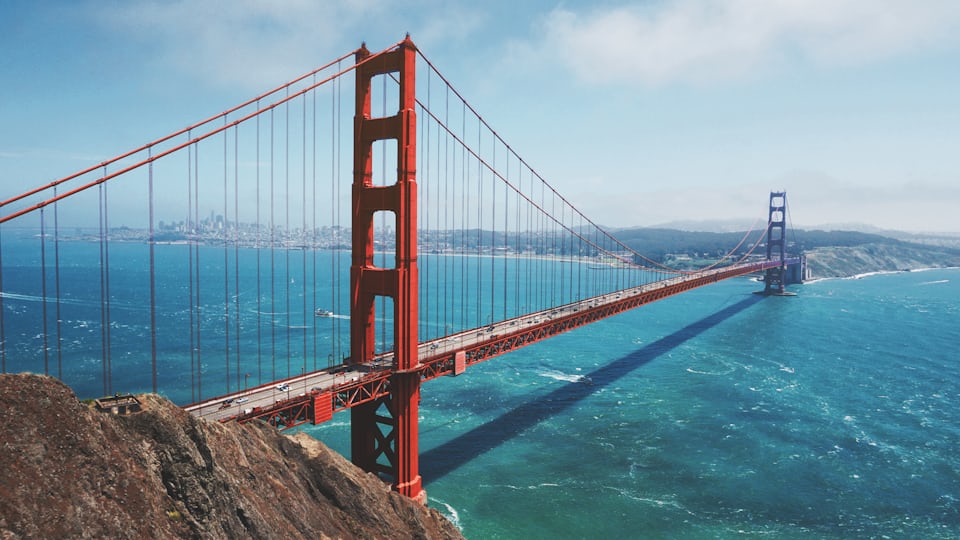
San Francisco is one of those rare cities that lives up to the postcards. The Golden Gate Bridge emerging from the fog, the pastel Victorian houses climbing impossible hills, the way the light hits the bay at sunset — it is genuinely stunning, and longtime residents still catch their breath at certain views. But SF is far more than scenery. This is the city that incubated the tech revolution, the counterculture movement, LGBTQ+ rights, and some of the most innovative thinking in American history. It is a city of 875,000 people packed into just 47 square miles, and every one of those miles has a story to tell.
Life in San Francisco moves at an interesting pace — intellectually fast, culturally rich, but physically compact enough to feel almost European. The food scene is extraordinary, from the Michelin-starred restaurants in the Mission District to the dim sum in the Richmond, the sourdough at Boudin, and the burritos that inspire genuine loyalty wars. The arts and music scenes are thriving, with venues like the Fillmore, SFMOMA, and dozens of independent galleries and theaters. Neighborhoods feel like distinct villages — the Castro, Chinatown, the Haight, North Beach — each with its own character, shops, and community. Weekend activities range from hiking the Presidio to browsing bookstores in Hayes Valley to catching a Giants game with a bay view.
There is no gentle way to say this: San Francisco is breathtakingly expensive. The median home price is around $1,350,000, and a one-bedroom apartment in a decent neighborhood rents for $2,800 to $3,500 per month. Studios in less central areas start around $2,200. Groceries run 15% above the national average, and a casual dinner for two will easily cost $80 to $120. The good news is that tech salaries here are among the highest in the world — software engineers routinely earn $150,000 to $250,000, and even non-tech professional jobs pay premiums to compete for talent. But if you are coming from a normal-cost city, the math will shock you. Budget carefully and honestly before committing.
San Francisco's weather confuses everyone who has never lived here. Forget the California sunshine stereotype — SF has its own microclimate. Summers are cool and foggy, with temperatures often in the mid-50s to low 60s. The warmest months are actually September and October, when the fog retreats and the city basks in Indian summer. Mark Twain's famous quote about the coldest winter being a summer in San Francisco is apocryphal but accurate in spirit. Layers are essential year-round, and you will learn that the Sunset District can be 15 degrees cooler than the Mission on the same afternoon. Winter brings rain but temperatures rarely drop below 45. The upside is you never need air conditioning and heating costs are minimal.
San Francisco is one of the most walkable and transit-friendly cities in California, and that is a massive quality-of-life advantage. BART connects the city to the East Bay, the Peninsula, and SFO airport. Muni buses and the historic streetcars cover most of the city, and the cable cars are not just for tourists — they are legitimate transportation on those brutal hills. A car is genuinely optional here if you live and work within the city, and many residents go without one entirely. The hills are no joke for walking and cycling, but e-bikes have changed the game. If you commute to the South Bay tech campuses, expect 45 to 75 minutes each way on company shuttles or via Caltrain, which is the one significant transportation drawback.
San Francisco is built for tech workers, creatives, academics, and anyone who thrives on intellectual stimulation and cultural diversity. It is a phenomenal city for young professionals willing to pay for an urban lifestyle that does not require a car. Retirees with strong savings or investment income love the mild climate, the walkability, and the world-class healthcare at UCSF Medical Center. LGBTQ+ individuals and families find one of the most welcoming communities in the world. Families with children face a tougher equation — the public school lottery system is stressful, private schools are expensive, and apartment sizes are small. Families who do make it work tend to gravitate toward the Sunset, Noe Valley, or Bernal Heights.
Things the locals know: dress in layers every single day, even in August. The Outer Sunset has better and cheaper food than most trendy neighborhoods — explore Irving Street and Noriega Street. Golden Gate Park is more impressive than most people realize and worth a full day of exploration. If you are apartment hunting, check Craigslist and walk neighborhoods directly — many of the best deals come from small landlords who do not list on the big platforms. The Ferry Building Saturday farmers market is worth the hype. And never, ever call it San Fran — just say SF or The City.
The bottom line: San Francisco demands a premium that fewer and fewer people can pay, and it does not hide its problems — homelessness, property crime, and the cost of living are real and visible challenges. But for those who can afford it and embrace the quirks, SF delivers an intellectually stimulating, culturally rich, stunningly beautiful urban life that has no true equivalent in the United States. It is the kind of city that changes how you think about what a city can be. Come with open eyes and a strong budget, and you may never want to leave.
Pros and Cons
Pros
- World-class tech job market with top salaries
- Highly walkable with excellent public transit (BART, Muni)
- Iconic scenery and cultural landmarks
- Diverse food scene from Michelin-star to street food
- Mild climate — no extreme heat or cold
- Progressive, inclusive community
Cons
- Extremely high cost of living — especially housing
- Homelessness and street cleanliness challenges
- Foggy and cool summers (Mark Twain was right)
- Small apartments and limited space
- Steep hills make some areas tough to navigate
- Earthquake risk
Best Neighborhoods
Mission District
Vibrant Latino culture meets tech newcomers. Famous murals, burritos, and nightlife.
Median Rent: $3,000/mo
Hayes Valley
Trendy boutiques, upscale dining, and walkable charm near City Hall.
Median Rent: $3,500/mo
Sunset District
Quieter residential area with ocean views, Asian cuisine, and family-friendly streets.
Median Rent: $2,600/mo
Cost of Living
How San Francisco compares to the national average (100 = national average)
Data is approximate and based on publicly available cost of living indices.
Job Market
Top Industries
- Technology
- Finance
- Biotech
- Tourism
- Professional Services
Major Employers
- Salesforce
- Meta
- Uber
- Airbnb
- Wells Fargo
- UCSF
Planning to move to San Francisco?
Our free 40-page relocation guide covers everything you need to know — costs, neighborhoods, job markets, and insider tips.
Get Your Free Guide